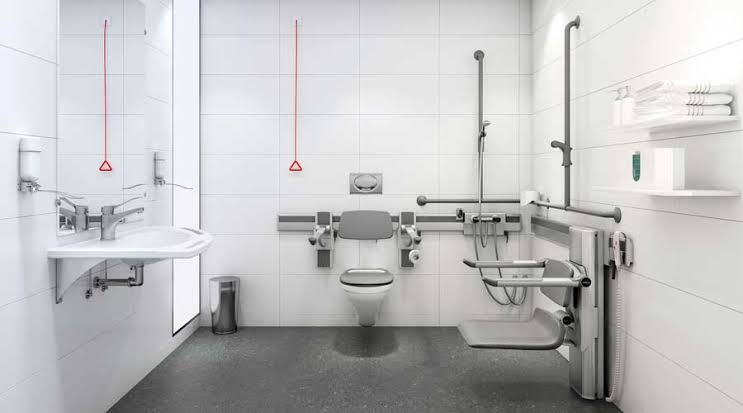
A bathroom is one of the most important spaces in any home, but it can also become one of the most challenging areas to use safely. Wet surfaces, limited movement space, slippery floors, and difficult-to-reach fixtures can create risks for children, older adults, and people with mobility challenges.
Improving bathroom accessibility does not only benefit people with specific needs. A safer and more comfortable bathroom design creates convenience for everyone in the household. Features such as better lighting, easier movement, safer flooring, and practical storage can improve daily routines while also increasing the long-term usability of the home.
A barrier-free bathroom focuses on removing unnecessary obstacles and creating a space that is comfortable, secure, and easy to use. With thoughtful planning, homeowners can improve safety without sacrificing style or modern design.
Why Bathroom Accessibility Matters
Bathrooms are used multiple times every day, which means even small design problems can create repeated difficulties. A narrow layout, slippery surface, or poorly positioned fixture may not seem like a major issue initially, but over time these challenges can affect comfort and independence.
An accessible bathroom design focuses on making everyday activities easier, including:
- Entering and leaving the bathroom safely
- Using shower and bathing areas comfortably
- Reaching storage spaces easily
- Moving around without obstacles
- Maintaining balance on wet surfaces
Accessibility is not only about responding to current needs. It is also a smart home improvement choice because it prepares the space for changing lifestyles in the future.
Creating a Safer Bathroom Layout
The foundation of an accessible bathroom is a practical layout. The arrangement of fixtures should allow comfortable movement without unnecessary obstacles.
A well-planned bathroom should provide enough space around key areas such as the toilet, sink, and shower. Crowded layouts increase the risk of accidents and make daily tasks more difficult.
When improving bathroom accessibility, consider:
- Clear walking paths
- Easy access to fixtures
- Comfortable turning space
- Logical placement of storage
A good layout allows people to move naturally instead of adjusting their movements around the room.
Choosing Slip-Resistant Flooring
Floor safety is one of the most important aspects of bathroom accessibility. Water, soap, and moisture can make surfaces dangerous, especially when floors become slippery.
Slip-resistant flooring options provide better stability and confidence while moving around the bathroom.
Suitable choices may include:
- Textured ceramic tiles
- Non-slip vinyl flooring
- Matte-finish surfaces
- Safety flooring materials
Large tiles with fewer grout lines can also make cleaning easier while maintaining a smooth appearance.
Flooring should combine safety with comfort because a bathroom should feel secure without appearing clinical.
Designing a Safer Shower Area
The shower is one of the areas where accessibility improvements provide the greatest benefits. Traditional shower designs may create difficulties because of raised edges, slippery surfaces, and limited support.
A barrier-free shower removes these obstacles by creating a more open and accessible bathing area.
Important features include:
- Low or zero-entry shower floors
- Handheld shower heads
- Built-in seating
- Easy-to-reach controls
- Strong drainage systems
A walk-in shower can provide a modern appearance while improving safety and convenience.
Installing Grab Bars and Support Features
Grab bars are among the most effective bathroom safety features. They provide stability when entering the shower, standing from the toilet, or moving on wet surfaces.
Modern grab bars are available in attractive designs that blend with contemporary bathrooms. They no longer need to look purely functional.
Proper placement is important. Grab bars should be installed where support is naturally needed rather than added randomly.
Common locations include:
- Inside shower areas
- Near bathtub entrances
- Beside toilets
- Along areas where balance support is needed
Professional installation is recommended because grab bars must be securely attached to support body weight.
Improving Toilet Accessibility
The toilet area can also be improved for comfort and safety. Standard toilets may be difficult for some people to use because of height and surrounding space limitations.
Accessibility improvements may include:
- Comfort-height toilets
- Support rails
- More surrounding clearance
- Better lighting nearby
A slightly higher toilet can reduce strain and make sitting and standing easier.
The area around the toilet should remain open enough for comfortable movement.
Choosing User-Friendly Bathroom Fixtures
Bathroom fixtures should be selected with ease of use in mind. Small details can make a significant difference in daily comfort.
Useful features include:
- Single-handle faucets
- Lever-style handles
- Easy-grip controls
- Touchless faucets
- Adjustable shower systems
These options are easier to operate and reduce the effort required for common tasks.
Modern fixtures can combine accessibility with attractive design, making them suitable for any home style.
Improving Bathroom Lighting
Good lighting is essential for both safety and comfort. Poor visibility can increase the risk of accidents, especially in bathrooms where surfaces may be wet.
A well-lit bathroom should include:
- Bright general lighting
- Task lighting near mirrors
- Night lighting for nighttime visits
- Reduced shadows around important areas
Motion-activated lights can be particularly useful because they provide visibility without requiring people to search for switches in the dark.
Natural light can also improve the bathroom environment when privacy solutions are included.
Creating Better Storage Accessibility
Storage areas should be designed so that essential items are easy to reach. Poorly placed cabinets can create unnecessary difficulty.
Accessible storage solutions include:
- Pull-out drawers
- Open shelves
- Adjustable cabinets
- Wall-mounted organizers
Frequently used items should be stored at convenient heights, while less-used items can be placed higher or farther away.
Good storage reduces clutter and improves safety by keeping floors and movement areas clear.
Selecting Comfortable Bathroom Seating Options
Seating can improve comfort and independence, especially in larger bathrooms.
Possible options include:
- Shower benches
- Fold-down seats
- Small bathroom chairs
A built-in shower seat can provide stability while also creating a more luxurious spa-like appearance.
Seating should be designed with waterproof and easy-to-clean materials.
Making Bathroom Doors More Accessible
Door design is often overlooked when improving accessibility. A narrow doorway can make movement difficult, especially for people using mobility aids.
Helpful improvements may include:
- Wider door openings
- Easy-to-operate handles
- Sliding doors where appropriate
- Reduced threshold barriers
A smooth transition between rooms creates a safer and more comfortable home environment.
Using Colors and Contrast for Better Visibility
Color choices can improve bathroom usability. Good contrast between surfaces helps people identify important areas more easily.
Examples include:
- Contrasting wall and floor colors
- Clearly visible fixtures
- Darker grab bars against lighter walls
This does not mean the bathroom needs a harsh appearance. Thoughtful color combinations can improve both design and function.
Creating a Comfortable Bathroom for All Ages
An accessible bathroom benefits people at every stage of life. Young children, adults recovering from injuries, older family members, and guests can all benefit from safer design features.
A bathroom designed with accessibility in mind offers:
- Greater independence
- Improved comfort
- Reduced accident risks
- Better long-term home usability
Universal design principles create spaces that work for a wider range of people without making the bathroom look specialized.
Avoiding Common Accessibility Mistakes
Some bathroom improvements fail because they focus only on adding equipment rather than creating a complete design.
Common mistakes include:
Installing grab bars without proper support.
Choosing attractive but slippery flooring.
Creating storage that is difficult to reach.
Ignoring lighting quality.
Making changes without considering the overall bathroom layout.
Accessibility works best when all elements support each other.
Planning Improvements According to Budget
Bathroom accessibility improvements can be completed gradually. Not every change needs to happen at once.
Affordable improvements may include:
- Installing better lighting
- Adding non-slip mats
- Replacing difficult handles
- Improving storage organization
Larger projects may include:
- Installing walk-in showers
- Changing flooring
- Modifying layouts
- Updating fixtures
A phased approach allows homeowners to improve safety while managing costs.
Combining Safety With Modern Design
Many people assume accessible bathrooms must look institutional or outdated. Modern bathroom design has changed significantly, and accessibility features can now blend naturally with stylish interiors.
Contemporary accessible bathrooms often include:
- Elegant walk-in showers
- Attractive grab bars
- Modern fixtures
- Beautiful flooring
- Minimalist storage
The goal is to create a bathroom that feels comfortable, safe, and visually appealing.
Conclusion
Improving bathroom accessibility is one of the most valuable home improvements because it increases safety, comfort, and long-term usability. Features such as slip-resistant flooring, barrier-free showers, supportive fixtures, better lighting, and thoughtful layouts can transform a bathroom into a more practical space for everyone.
A well-designed accessible bathroom is not only about addressing challenges. It is about creating a home environment where people can maintain independence and comfort throughout different stages of life.
By combining smart design choices with modern aesthetics, homeowners can create bathrooms that are safer, more convenient, and enjoyable for every member of the household.
Frequently Asked Questions (FAQs)
1. What is the most important feature of an accessible bathroom?
Safety is the most important feature. Slip-resistant flooring, good lighting, and easy movement areas provide the foundation for an accessible bathroom.
2. Are walk-in showers better than traditional showers?
Walk-in showers are often more accessible because they reduce entry barriers and provide easier movement compared with traditional shower designs.
3. Do grab bars make a bathroom look outdated?
No. Modern grab bars are available in many attractive styles and finishes that can complement contemporary bathroom designs.
4. How can I make a bathroom safer without a full renovation?
Simple improvements such as better lighting, non-slip flooring solutions, easier fixtures, and improved organization can increase safety without major construction.
5. What type of flooring is safest for bathrooms?
Slip-resistant flooring with textured surfaces or matte finishes is generally safer because it provides better grip in wet conditions.
6. Are accessible bathrooms only useful for older adults?
No. Accessible bathrooms benefit people of all ages, including children, families, guests, and anyone experiencing temporary mobility challenges.
7. How much space is needed for an accessible bathroom?
The required space depends on the design, but a good accessible bathroom should provide comfortable movement around fixtures without unnecessary obstacles.
8. Can accessibility features increase home value?
Yes. A safe and adaptable bathroom can make a home more attractive because it supports long-term comfort and usability for a wider range of buyers.
