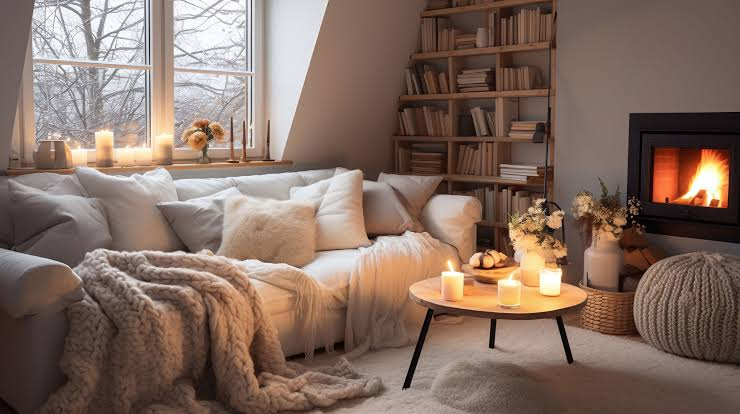
Modern life often brings constant responsibilities, work pressure, digital distractions, and busy schedules. After spending hours managing daily tasks, many people want their homes to provide a sense of comfort, calmness, and emotional recovery. A relaxing home environment does not happen automatically; it is created through thoughtful interior choices that support rest and relaxation.
The design of a home can influence mood, energy levels, and overall comfort. Elements such as lighting, colors, furniture arrangement, textures, organization, and natural materials all contribute to the feeling a space creates. Small improvements can transform an ordinary home into a peaceful retreat where people can recharge after demanding days.
Creating a relaxing atmosphere does not require a complete renovation. Often, simple adjustments to the existing interior can make a noticeable difference.
Understanding What Makes a Home Feel Relaxing
A relaxing home is not defined by expensive furniture or luxury decorations. It is defined by how the space makes people feel when they enter.
A peaceful interior usually has three important qualities: comfort, balance, and simplicity.
Comfort comes from furniture, temperature, lighting, and textures that make daily living easier. Balance comes from a well-planned combination of colors, materials, and decoration. Simplicity comes from reducing unnecessary clutter and creating a sense of order.
When these elements work together, a home can become a place where the mind naturally slows down.
Creating a Calmer Environment Through Color Choices
Colors have a strong influence on the emotional feeling of a room. The shades surrounding us can create energy, warmth, freshness, or relaxation.
For spaces designed for rest, softer colors often work best. Neutral shades such as beige, cream, soft gray, and warm white create a peaceful background that allows furniture and decorations to feel balanced.
Nature-inspired colors can also support relaxation. Soft greens, muted blues, and earthy tones often create a connection with outdoor environments and help create a calmer atmosphere.
Bright colors are not necessarily harmful, but they are usually better used as accents rather than covering large areas. A colorful cushion, artwork, or decorative object can add personality without overwhelming the room.
Improving Lighting for Better Comfort
Lighting is one of the most powerful ways to influence the atmosphere of a home. Harsh lighting can make a space feel uncomfortable, while softer lighting creates warmth and relaxation.
A relaxing interior usually benefits from layered lighting. Instead of relying only on one bright ceiling light, combine different sources such as:
- Table lamps
- Floor lamps
- Wall lights
- Adjustable fixtures
- Natural daylight
Warm lighting is especially effective in living rooms and bedrooms because it creates a comfortable evening atmosphere.
Natural light should also be considered. Opening curtains during the day, using lighter window coverings, and allowing sunlight into rooms can improve mood and make spaces feel more inviting.
Designing Comfortable Furniture Arrangements
Furniture placement affects how people move and feel inside a room. A beautiful room can still feel uncomfortable if furniture blocks movement or creates an unbalanced layout.
Relaxing spaces usually have furniture arrangements that encourage conversation and comfort. Sofas and chairs should feel connected rather than randomly placed.
In living rooms, creating a central gathering area can make the space feel more welcoming. In bedrooms, positioning furniture to create openness can improve the sense of calm.
Avoid filling every corner with furniture. Empty space is important because it allows rooms to breathe and prevents a crowded feeling.
Adding Soft Textures for Emotional Comfort
Textures have a powerful effect on how comfortable a home feels. Smooth, soft, and natural materials create a more welcoming environment.
Simple additions can include:
- Soft blankets
- Comfortable cushions
- Area rugs
- Fabric curtains
- Upholstered furniture
These elements add warmth and make spaces feel more relaxing.
A room with only hard surfaces such as glass, metal, and polished materials may appear modern but can sometimes feel less comfortable. Combining different textures creates balance.
Reducing Visual Clutter
Clutter is one of the biggest barriers to creating a peaceful home atmosphere. Even a beautifully decorated room can feel stressful when too many items compete for attention.
Reducing clutter does not mean removing personality. It means creating intentional spaces where belongings are organized and meaningful.
Helpful improvements include:
- Removing unused items
- Organizing visible surfaces
- Creating storage solutions
- Keeping decorations selective
A cleaner environment can reduce mental stress because the brain does not have to process excessive visual information.
Creating Personal Relaxation Zones
Every home can benefit from having a small area dedicated to relaxation. This does not need to be an entire room. A small corner can become a personal retreat.
A relaxation zone might include:
- A comfortable chair
- A reading lamp
- A small table
- Plants
- Books
- A soft blanket
This area can be used for reading, meditation, listening to music, or simply enjoying quiet time.
Having a specific place associated with relaxation can help the mind transition away from daily responsibilities.
Bringing Nature Indoors
Natural elements can make interiors feel more peaceful and connected to the outside world.
Indoor plants are one of the simplest ways to introduce nature into a home. They add freshness, color, and life to rooms.
Other natural elements include:
- Wooden furniture
- Stone accessories
- Natural fabrics
- Fresh flowers
These materials create warmth and help balance modern interiors that may otherwise feel too artificial.
Creating a More Peaceful Bedroom
The bedroom has a direct connection with rest and recovery. A relaxing bedroom should support comfort and calmness.
Improvements may include:
- Comfortable bedding
- Soft lighting
- Reduced electronic distractions
- Organized storage
- Relaxing colors
The bedroom should not become a place filled with unfinished tasks and unnecessary items. Keeping it focused on rest can improve the overall feeling of the space.
Improving Air Quality and Freshness
The physical environment of a home affects comfort as much as appearance.
Fresh air, pleasant scents, and good ventilation can make interiors feel healthier and more relaxing.
Simple improvements include:
- Opening windows when possible
- Maintaining indoor plants
- Cleaning regularly
- Using natural fragrances
A fresh-smelling home often feels more welcoming and peaceful.
Creating Better Sound Control
Noise can significantly affect relaxation. A home with constant background noise may feel stressful even if the interior design is attractive.
Soft materials help absorb sound and create a quieter atmosphere.
Useful additions include:
- Rugs
- Curtains
- Fabric furniture
- Decorative wall elements
Creating quieter spaces allows people to relax more easily after busy days.
Using Minimal Decoration With Meaning
Decoration plays an important role in making a home feel personal. However, too many decorative items can create visual stress.
A better approach is choosing items that have meaning or bring happiness.
Examples include:
- Family photographs
- Travel memories
- Favorite artwork
- Handmade items
- Special collections
A few meaningful pieces often create more emotional comfort than many random decorations.
Creating a Better Evening Atmosphere
The transition from daytime activity to evening relaxation is important. Interior design can support this change by creating a calmer nighttime environment.
Simple evening improvements include:
- Lowering light intensity
- Using warm lamps
- Creating comfortable seating
- Reducing unnecessary noise
These small changes signal the body and mind that it is time to slow down.
Avoiding Design Choices That Increase Stress
Some interior choices may unintentionally create a stressful environment.
Common examples include:
Overcrowded rooms with too much furniture.
Poor lighting that feels harsh or uncomfortable.
Lack of storage, causing constant clutter.
Uncomfortable furniture chosen only for appearance.
Too many competing colors and patterns.
A relaxing home should prioritize how it feels, not only how it looks.
Making Small Changes With a Big Impact
Many people believe creating a relaxing home requires major spending, but small improvements often have the greatest effect.
Changing lighting, rearranging furniture, adding comfortable textiles, reducing clutter, and introducing natural elements can completely change the atmosphere.
The best improvements are those that make daily life easier and more enjoyable.
Conclusion
A relaxing home environment helps people recover from the demands of busy lifestyles. Through thoughtful color choices, comfortable furniture arrangements, better lighting, natural elements, and organized spaces, any home can become a peaceful retreat.
The purpose of interior improvement is not simply to create a beautiful space. It is to create an environment that supports emotional comfort, relaxation, and better quality of life.
When a home feels calm and welcoming, it becomes more than a place to live. It becomes a place where people can truly recharge.
Frequently Asked Questions (FAQs)
1. What interior changes make a home feel more relaxing?
Soft lighting, calming colors, comfortable furniture, reduced clutter, and natural elements are some of the most effective improvements for creating a relaxing atmosphere.
2. Which colors are best for a peaceful home?
Neutral shades, soft greens, muted blues, beige, and warm earth tones are commonly used because they create a calm and comfortable feeling.
3. How can I make my home relaxing without spending much money?
Small changes such as rearranging furniture, adding lamps, organizing clutter, using soft textiles, and bringing in plants can make a major difference.
4. Why does lighting affect relaxation?
Lighting influences mood and atmosphere. Warm, softer lighting creates a more comfortable environment compared with harsh, bright lighting.
5. How can I reduce stress caused by home clutter?
Create storage systems, remove unnecessary items, and keep frequently used areas organized to reduce visual distractions.
6. Are plants useful for creating a relaxing home?
Yes. Plants add natural beauty, improve the feeling of freshness, and help create a stronger connection with nature.
7. What furniture arrangement is best for relaxation?
Arrangements that create open movement, comfortable seating, and easy conversation usually make rooms feel more welcoming.
8. Does a relaxing home need expensive decorations?
No. Meaningful items, comfortable materials, good lighting, and thoughtful organization are often more important than expensive decorations.
