A home’s roof is one of the most important structural components of any property. It protects the interior from rain, wind, heat, cold temperatures, and environmental damage while contributing to the overall energy efficiency and comfort of the house. However, like every other part of a building, roofing systems experience wear and tear over time. Small roofing issues that appear minor at first can quickly develop into expensive repairs if they are ignored.
Understanding the different types of residential roofing repairs helps homeowners identify problems early, make informed decisions, and prevent costly damage. Whether a roof has missing shingles, leaks, damaged flashing, or drainage problems, timely maintenance can extend its lifespan and protect the value of the property.
The Importance of Regular Roof Inspections
Many homeowners only think about their roof when a serious problem appears, such as water leaking through the ceiling or visible storm damage. However, roofing problems often begin in hidden areas before becoming noticeable inside the home.
Regular roof inspections allow homeowners to identify early warning signs, including:
- Loose or damaged roofing materials
- Small water leaks
- Weak areas caused by moisture
- Cracked seals around roof openings
- Blocked gutters affecting drainage
- Early signs of mold or rot
Professional inspections are especially important after severe weather events, including heavy rain, strong winds, hailstorms, or extreme temperature changes. Detecting damage early usually means repairs can be completed quickly instead of requiring a complete roof replacement.
Common Types of Residential Roofing Repairs
Residential roofing repairs vary depending on the roofing material, age of the roof, weather conditions, and the severity of the damage. Some repairs are simple maintenance tasks, while others require professional attention.
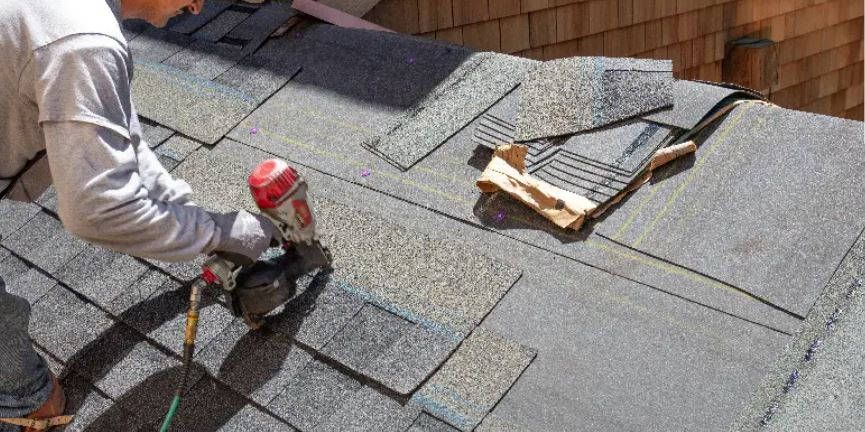
1. Shingle Replacement and Repair
Asphalt shingles are among the most common roofing materials used in residential properties because they are affordable, durable, and available in many styles. However, shingles are constantly exposed to sunlight, rain, wind, and temperature changes, which can cause deterioration over time.
Common shingle problems include:
- Missing shingles
- Cracked shingles
- Curling edges
- Broken sections
- Loose materials after storms
Missing or damaged shingles should be repaired as soon as possible because they expose the underlying roof structure to moisture. Water can enter through these openings and damage insulation, wood framing, ceilings, and interior walls.
Replacing individual shingles is often a straightforward repair when the surrounding roof system remains in good condition. However, widespread shingle damage may indicate that the roof is reaching the end of its useful life.
2. Roof Leak Repairs
Roof leaks are among the most common roofing issues homeowners experience. A small leak may seem harmless, but water intrusion can create significant structural problems if left untreated.
Common causes of roof leaks include:
- Damaged shingles
- Cracked flashing
- Poor installation
- Damaged roof valleys
- Broken seals around vents or chimneys
- Aging roofing materials
Signs of a roof leak may include:
- Water stains on ceilings
- Damp spots on walls
- Musty odors
- Mold growth
- Peeling paint
- Wet insulation
Finding the exact source of a leak can sometimes be challenging because water often travels along roof structures before appearing inside the home. Professional roof repair specialists use inspection techniques to locate the actual entry point and complete proper repairs.
3. Flashing Repairs
Roof flashing is a protective material installed around areas where water could enter, such as:
- Chimneys
- Skylights
- Roof valleys
- Vent pipes
- Roof edges
Flashing creates a waterproof barrier that directs water away from vulnerable areas. Over time, flashing can become loose, corroded, cracked, or improperly sealed.
Damaged flashing is a common cause of hidden leaks because the roof surface may appear normal while water enters through weak points.
Repairing flashing usually involves:
- Replacing damaged sections
- Applying new waterproof seals
- Securing loose materials
- Checking surrounding roofing areas for moisture damage
Maintaining flashing is an important part of preventing long-term roof problems.
4. Roof Ventilation Repairs
Proper roof ventilation plays a major role in maintaining a healthy roofing system. Without adequate airflow, heat and moisture can become trapped in the attic, causing several issues.
Poor ventilation can lead to:
- Increased energy costs
- Mold growth
- Condensation problems
- Wood deterioration
- Reduced roof lifespan
Roof ventilation repairs may include repairing damaged vents, adding additional ventilation systems, or improving airflow between intake and exhaust areas.
A well-ventilated roof helps regulate indoor temperatures and reduces stress on roofing materials.
5. Gutter and Drainage Repairs
Although gutters are not technically part of the roof structure, they play an important role in protecting the roofing system and foundation. Gutters collect rainwater and direct it away from the home.
Damaged or clogged gutters can cause:
- Water buildup on the roof
- Roof edge damage
- Basement moisture
- Foundation problems
- Landscape erosion
Common gutter repairs include:
- Cleaning debris
- Fixing leaks
- Replacing damaged sections
- Adjusting gutter slopes
- Installing protective covers
Maintaining proper drainage prevents water from remaining on the roof and causing deterioration.
6. Roof Valley Repairs
Roof valleys are areas where two roof sections meet. These locations collect and direct large amounts of rainwater toward drainage systems, making them especially vulnerable to damage.
Problems in roof valleys can occur because of:
- Damaged valley materials
- Poor installation
- Accumulated debris
- Broken shingles
- Water buildup
A damaged roof valley can allow water to enter the home quickly. Repairs may involve replacing valley materials, repairing surrounding shingles, and improving water flow.
7. Chimney and Skylight Roof Repairs
Chimneys and skylights create openings in the roof, making proper sealing extremely important. Over time, the areas around these features can develop leaks.
Common problems include:
- Cracked chimney flashing
- Damaged skylight seals
- Deteriorated waterproofing materials
- Loose connections
Regular inspection around roof openings helps prevent moisture from entering the home.
Signs That Your Roof Needs Immediate Repair
Homeowners should pay attention to warning signs that indicate roofing problems are developing. Some common indicators include:
Visible Roof Damage
Look for:
- Missing roofing materials
- Sagging areas
- Damaged shingles
- Excessive moss or algae growth
Interior Water Damage
Inside the home, watch for:
- Ceiling stains
- Damp walls
- Mold growth
- Water dripping during storms
Rising Energy Costs
A damaged roof or poor ventilation can affect insulation performance, causing heating and cooling systems to work harder.
Aging Roofing Materials
Most roofing systems have a limited lifespan. Even without obvious damage, older roofs require more frequent inspections and maintenance.
Repair vs. Roof Replacement: Understanding the Difference
One of the biggest decisions homeowners face is whether to repair the existing roof or replace it completely.
Roof repairs are usually suitable when:
- Damage is limited to specific areas
- The roof is relatively new
- The structure remains strong
- Problems are caused by isolated incidents
Roof replacement may be necessary when:
- The roof is near the end of its lifespan
- Damage covers large areas
- Frequent repairs are required
- Structural problems are present
- Water damage has affected the roof deck
A professional evaluation can help determine the most cost-effective solution.
Preventive Maintenance to Reduce Roofing Problems
Preventive maintenance is one of the best ways to avoid expensive roofing repairs. Homeowners can protect their roofs by:
- Cleaning gutters regularly
- Removing debris from roof surfaces
- Checking attic ventilation
- Inspecting after storms
- Trimming nearby tree branches
- Addressing minor issues quickly
Small maintenance tasks can significantly extend the life of a roofing system.
Choosing the Right Roofing Repair Professional
When hiring a roofing contractor, homeowners should consider:
- Experience with residential roofing systems
- Proper licensing and insurance
- Positive customer reviews
- Detailed repair estimates
- Clear communication
A reliable roofing professional should explain the problem, provide repair options, and recommend solutions based on the roof’s actual condition rather than unnecessary services.
Conclusion
Residential roofing repairs are essential for protecting a home’s structure, comfort, and long-term value. Problems such as damaged shingles, leaks, flashing failures, poor ventilation, and drainage issues can become major expenses if ignored.
Understanding different types of roofing repairs allows homeowners to recognize problems early and take action before damage increases. Regular inspections, preventive maintenance, and timely repairs help extend roof lifespan while protecting the investment made in the property.
A well-maintained roof does more than protect a house from weather—it provides security, energy efficiency, and peace of mind for years to come.
