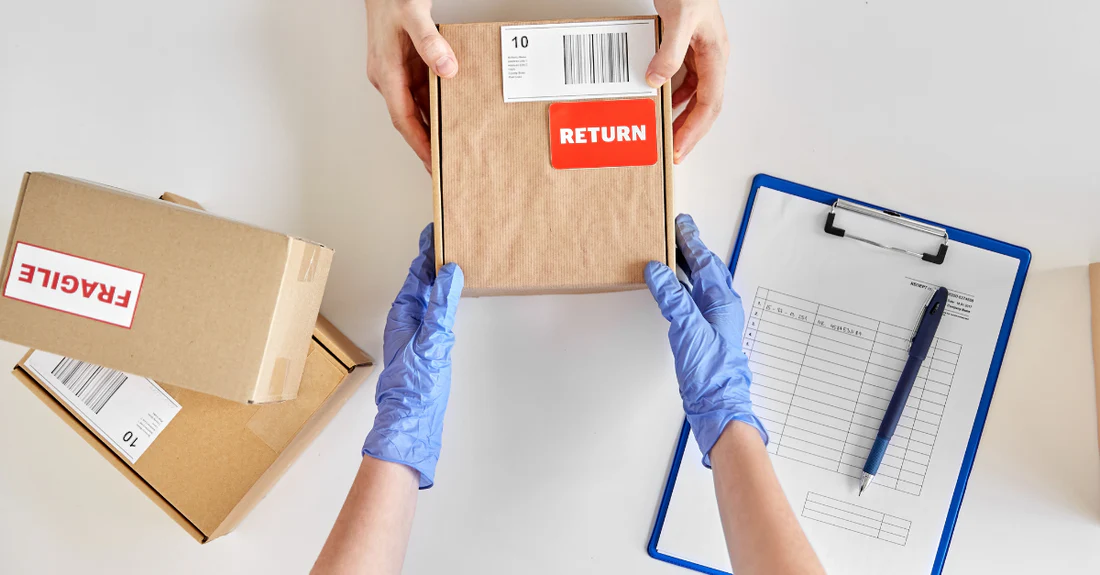
Returning mail might seem like a simple task, but navigating the postal system can sometimes feel overwhelming, especially when the need arises to send something back. Understanding how to return mail to sender correctly is crucial to ensuring your mail reaches its rightful destination. In this article, we’ll cover the steps you need to take to return mail properly and delve into the details around the standard envelope weight as it pertains to different mailing options.
Understanding the Importance of Returning Mail Properly
Returning mail is an important aspect of maintaining efficient and organized postal communication. There are several reasons why you might need to return mail:
- The recipient has moved without notifying the sender.
- The mail is unwanted, such as junk mail or spam.
- The recipient’s address is incorrect.
- The intended recipient has passed away.
In any case, knowing how to return mail properly ensures that you’re not merely discarding it, which can lead to missed communications or logistical issues for the sender. In this guide, we will provide you with a step-by-step approach to tackle this task efficiently.
Step-by-Step Guide on How to Return Mail to Sender
Here’s how to return mail to sender in just a few simple steps:
Step 1: Inspect the Envelope
Start by carefully inspecting the envelope. Check for any markings that indicate why the mail should be returned. Often, mail that should be returned has a “Return to Sender” label or similar instructions.
Step 2: Mark the Envelope
If there aren’t any clear instructions, you can simply write “Return to Sender” on the front of the envelope. This helps postal workers identify that the mail should not be delivered to the specified address.
Step 3: Indicate the Reason
It may be helpful to also note the reason for the return on the envelope. This could be “No Such Address,” “Refused,” or “Moved, Left No Address.” Providing this information gives the postal service context for the return, which can help in resolving issues on the sender’s end.
Step 4: Postage Considerations
In most cases, you do not have to pay for postage when returning mail. The original sender should bear the cost. However, if you are unsure, check with your local post office to confirm if any postage is necessary for your specific situation.
Step 5: Drop It Off
Finally, take the marked envelope and drop it into a mailbox or take it to your local post office. If you have multiple items to return, ensure they are all appropriately marked before mailing them back.
How the Standard Envelope Weight Influences Mailing
Understanding the standard envelope weight is also essential when it comes to mailing. Different types of mail may have varying weights that affect postage costs and choices for sending items back.
The typical weight for a standard envelope is 1 ounce. If your mail falls within this range, it can usually be sent with a standard first-class postage stamp. However, if your envelope exceeds the standard weight, additional postage may be required.
Factors That Affect Envelope Weight
Here are a few factors that can increase the weight of an envelope:
- Additional pages or inserts: If you are returning a document with additional pages, it may exceed the typical 1-ounce limit.
- Heavy paper stock: Using heavier paper for invoices or letters can add weight.
- Packaging: Envelopes with protective packaging may weigh more than standard envelopes.
When returning mail, it’s essential to weigh your envelope if you suspect it might exceed the standard weight limit to ensure proper postage is applied. Many post offices offer handy scales to check the weight before you send it back.
Tips for Handling Returned Mail
Here are some tips for managing any returned mail you may encounter:
- Keep a record: Document any mail that you return for your own records. It may be necessary to track repeated unwanted mail issues.
- Communicate: If you frequently receive return-to-sender items, consider reaching out to the sender to resolve the issue directly.
- Opt-out: For junk mail, many companies provide opt-out options to reduce the amount of unwanted mail you receive.
- Scan for important mail: Be cautious and check for important documents, especially notices from financial institutions or government entities.
Conclusion
Returning mail may appear to be a simple task, yet it plays an essential role in effective postal communication. By following the steps outlined above, you can ensure that your returned mail gets back to the sender efficiently and accurately. Being aware of the standard envelope weight will further streamline your mailing experiences and help avoid unnecessary postage costs.
Whether you’re dealing with unwanted junk mail or addressing mail sent to the wrong address, knowing how to return mail to sender effectively can save time and hassle in your postal interactions. Start taking control of your mail today!
Keep an eye for more latest news & updates on MahiTechInfo!
